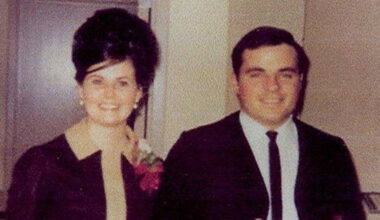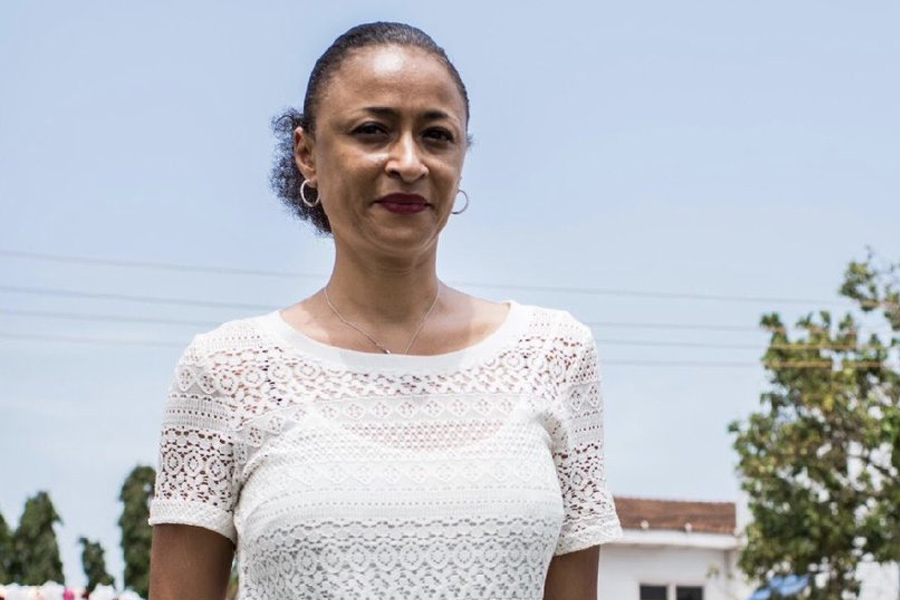
A brief portrait
Maha Ayew moves through the public life of Ghana’s most recognizable football family like a steady current beneath a river’s surface: not always seen first, but essential to the flow. Best known as the long-time wife of Abedi “Pele” Ayew and the mother of a new generation of professional footballers, Maha’s presence threads family, club administration, and public moments into a single, quietly influential role. The following account focuses on verifiable public details about her life, family, and public activities, arranged with dates, numbers and tables to make the picture precise.
Basic information
| Field | Detail |
|---|---|
| Name | Maha Ayew |
| Spouse | Abedi Ayew (Abedi “Pele” Ayew), born 5 November 1964 |
| Marriage (commonly reported) | 9 August 1987 |
| Children (commonly reported as Maha’s) | André (b. 17 Dec 1989), Jordan (b. 11 Sep 1991), Imani (b. circa 1998) |
| Other close family | Ibrahim / Rahim Ayew (b. 16 Apr 1988) — half-brother to André/Jordan; Abedi’s brothers Kwame and Sola |
| Public roles | Director/shareholder connected with Nania FC (club founded/owned by Abedi) |
| Notable public events | Involvement in Nania FC disciplinary/legal matters (2007–2008 period); public family appearances and social-media tributes |
| Public profile outside family | No widely published independent CV beyond club role and family visibility |
Family & relationships — names, dates, roles
Maha sits at the center of a family that reads like a ledger of contemporary Ghanaian football. Numbers matter here: birthdates, match seasons, and the cadence of public tributes have shaped how the family is chronicled.
| Family member | Relationship to Maha | Key date(s) | Role / note |
|---|---|---|---|
| Abedi “Pele” Ayew | Spouse | b. 5 Nov 1964; married Maha (1987) | Legendary footballer; club owner (Nania FC) |
| André Morgan Rami Ayew | Son | b. 17 Dec 1989 | Professional footballer; international career |
| Jordan Ayew | Son | b. 11 Sep 1991 | Professional footballer; international career |
| Imani Ayew | Daughter | b. circa 1998 (reported) | Model / creative entrepreneur in family posts |
| Ibrahim / Rahim Ayew | Stepson (half-brother) | b. 16 Apr 1988 | Often reported as Abedi’s son from an earlier relationship |
| Grandchildren (examples) | Grandmother | e.g., Inaya (b. 19 Oct 2011) | Next-generation family milestones featured publicly |
The pattern is consistent: Maha’s maternal identity is most frequently associated with André, Jordan and Imani, while Rahim/Ibrahim is typically described as a child of Abedi from an earlier relationship. Public celebration posts — anniversaries, birthdays, graduations — provide much of the visible record of Maha’s family life.
Role at Nania FC and public activities
Maha’s public footprint extends beyond family photographs. At times she has been named in club records and media accounts as a director or shareholder associated with Nania FC. That administrative connection places her in the rarefied space where family, sport and governance intersect.
Key numerical markers:
- 2007–2008: The period of highly publicized matches and disciplinary action tied to Nania FC; club directors and officials were publicly named in relation to sanctions and subsequent legal actions.
- Single-digit years (2000s): The era in which Nania’s most controversial fixtures and GFA reactions were logged.
Her involvement has been described as administrative rather than as a player or public figure in her own right. In other words, Maha’s public activities fall into two overlapping categories: family visibility (social posts, celebrations) and club governance (director/shareholder roles and related legal/disciplinary episodes).
Timeline — selected public milestones
| Date | Event |
|---|---|
| 9 Aug 1987 (commonly reported) | Marriage of Maha and Abedi Ayew |
| 16 Apr 1988 | Birth of Ibrahim / Rahim Ayew (Abedi’s son from earlier relationship) |
| 17 Dec 1989 | Birth of André Ayew |
| 11 Sep 1991 | Birth of Jordan Ayew |
| 1998 (circa) | Birth of Imani Ayew |
| 2007–2008 | Nania FC disciplinary controversies; public sanctions and legal reaction involving club directors |
| 2010s–2020s | Regular family-centered public posts, anniversaries, birthday tributes and match-day appearances |
Timelines are tidy instruments for a complicated family story; these dates serve as anchors and allow the public narrative to be read chronologically.
Public image, numbers and visibility
Maha’s public image is largely domestic and administrative rather than celebrity-first. Consider the measurable elements of that profile:
- Frequency of public mentions: Most press attention occurs around family milestones — anniversaries, birthdays, the children’s career highlights — rather than standalone professional profiles.
- Club governance: Her name appears in public records tied to Nania FC; those mentions are concentrated around the disciplinary episode in the late 2000s and subsequent legal steps.
- Social-media presence: Family Instagram posts and public tributes are the primary mode of visibility; images, captions and celebrations form the archive of Maha’s public persona.
Numbers and dates matter because they ground otherwise impressionistic descriptions: birth years, match seasons, and the 2007–2008 window are the scaffolding for public accounts.
What is publicly unknown
Several precise facts remain absent from the public ledger. There is no widely circulated, independently verified professional CV positioning Maha as a public-sector leader, national figure, or entrepreneur separate from her family and club role. There are also no public net-worth disclosures attributable to her personally. Where the public record is thin, the prudent silence is telling: not every public name maps onto a paper trail of individual enterprises.
Recent visibility and the next generation
The Ayew name now functions numerically as a multigenerational statistic: multiple professionals (two sons prominent on international rosters), grandchildren born in the 2010s, and recurring family milestones through the 2020s. Maha’s role has been consistent across that span: a mother whose face appears in celebrations, an administrator who has occasionally been drawn into club-level controversy, and a steady presence in the family narrative as it moves from one generation to the next.
Portrait in a few strokes
Maha Ayew’s public life reads like an unadorned chronicle: marriage in the late 1980s, the births of high-profile sons in 1989 and 1991, an administrative tie to a family-owned club, and decades of family-centered public moments. She is less a headline-maker and more the hinge on which a football family turns—an invisible fulcrum, reliable and present, with a quiet gravity that keeps the household of the Ayews balanced as careers rise and seasons change.