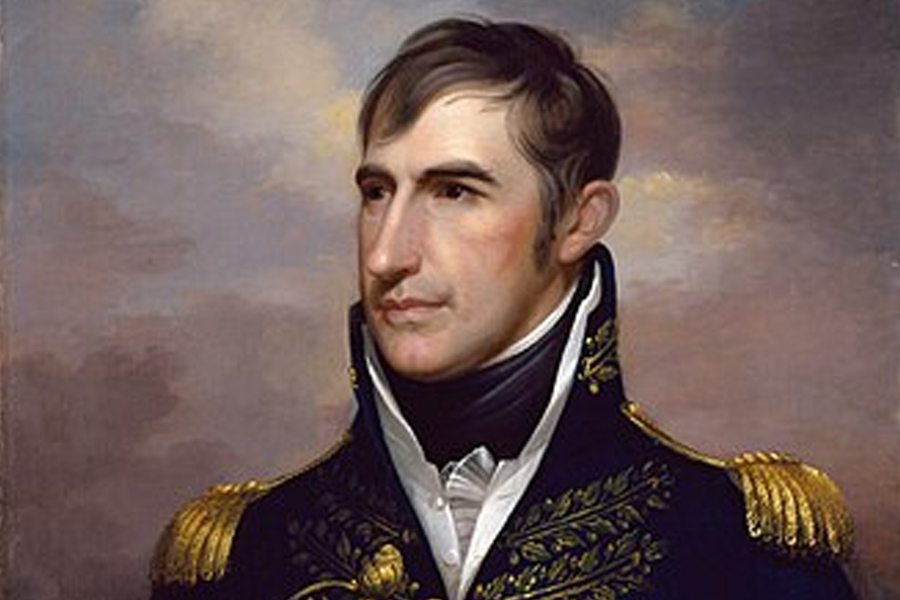
A Frontier Birth in the Heart of American Expansion
I first became captivated by William Henry Harrison Jr. while tracing the roots of presidential families. Born on September 3 1802 in Vincennes Indiana Territory he entered the world during his father’s tenure as territorial governor. The outpost hummed with ambition and uncertainty. Young William grew up on the family estate in North Bend Ohio Miami Township Hamilton County. There the Harrison farm stretched across fertile lands like a living emblem of westward growth. By age 35 he had lived a private existence far from the spotlight. He passed away on February 6 1838 in North Bend and rests at Congress Green Cemetery. His story unfolds not through grand battles or speeches but through steady family ties and quiet resilience.
The Harrison Clan: Parents Grandparents and the Weight of Legacy
The Harrisons are rich in history. Jr. was the second son and fourth child of William Henry Harrison, the ninth US president who served in 1841, and Anna Tuthill Symmes Harrison. Father led armies and regions. His mother survived frontier life and outlived her husband and son. Their marriage was the solid foundation for 10 children, several of whom struggled.
Grandparents rooted this lineage deeply. Paternal Elizabeth Bassett and Benjamin Harrison V laid the groundwork. Benjamin Harrison V governed Virginia and signed the Declaration. Land speculation and judicial acumen from the Northwest Territory came from maternal grandparents John Cleves and Anna Tuthill Symmes. Great-grandparents continued the line. Timothy Symmes was maternal and Benjamin Harrison IV was paternal.
Aunts added threads to this gorgeous fabric. Elizabeth Harrison Rickman Edmondson Lucy Harrison Randolph Singleton Anne Harrison and Sarah Harrison Minge married significant people and spread the Harrison name across Virginia and beyond. These ladies, like secret rivers, upheld familial influence without taking center stage.
Marriage to Jane Irwin Harrison: Bonds Tested by Personal Storms
On February 18 1824 William Henry Harrison Jr. married Jane Findlay Irwin in Mercersburg Pennsylvania. The ceremony took place while the couple visited relatives en route to North Bend. Jane born in 1804 became Jane Irwin Harrison. Their union spanned 14 years until his death. Reports note challenges including his struggles with alcoholism and gambling yet Jane remained steadfast. After 1838 she stepped into history. During her father in law’s 31 day presidency in March to April 1841 she acted as First Lady. She hosted just two social events on behalf of her ailing mother in law. Jane remarried Lewis Whiteman in 1842 and died of tuberculosis in Cincinnati in 1847 at age 43. Their partnership mirrors a candle flickering in wind: fragile yet illuminating family duty.
Children Who Carried the Name Forward
Two sons extended the Harrison line. Col. James Findlay Harrison arrived around 1825 and rose to colonel rank. He lived until 1907 a span of 82 years that bridged centuries. The younger son William Henry Harrison entered the world later and died unmarried in 1849. The father’s 1838 will referenced his children without naming them yet it named Jane as primary legatee. I imagine these sons as saplings sprouting from rocky soil inheriting both promise and pressure.
Career and Life in North Bend: Landowner Without the Limelight
William Henry Harrison Jr. went private. The North Bend, Ohio landowner focused on the family farm rather than politics or the military. He had no notable accomplishments or public posts. Hamilton County probated his January 4, 1838 will on March 30, 1838, revealing a typical estate. He oversaw the family’s Northwest Territory land holdings. He represented the steady citizen who tilled soil and raised family while presidents and generals made news. He lived 35 years and 4 months, a brief episode in a dynasty that produced two presidents.
Siblings and the Full Family Portrait
The ten children of William Henry Harrison and Anna Tuthill Symmes formed a diverse generation. Here is their complete list with birth years:
| Sibling Name | Birth Year |
|---|---|
| Elizabeth Bassett Harrison | 1796 |
| John Cleves Symmes Harrison | 1798 |
| Lucy Singleton Harrison | 1800 |
| William Henry Harrison Jr. | 1802 |
| John Scott Harrison | 1804 |
| Benjamin Harrison | 1806 |
| Mary Symmes Harrison | 1809 |
| Carter Bassett Harrison | 1811 |
| Anna Tuthill Harrison | 1813 |
| James Findlay Harrison | 1814 |
Many siblings died young or before their father’s presidency. John Scott Harrison born 1804 became father to Benjamin Harrison the 23rd president making William Henry Harrison Jr. an uncle to that future leader. This table captures the scale of the family: ten lives intertwined with America’s founding story.
Extended Timeline: Key Dates That Define a Life
To capture the rhythm of William Henry Harrison Jr.’s journey I compiled this timeline of 15 pivotal moments:
- September 3 1802: Birth in Vincennes Indiana Territory.
- Early 1800s to 1820s: Childhood and youth on the North Bend family farm.
- February 18 1824: Marriage to Jane Findlay Irwin age 21.
- Circa 1825: Birth of son Col. James Findlay Harrison.
- Late 1820s to early 1830s: Birth of second son William Henry Harrison.
- January 4 1838: Writes last will and testament in Miami Township Ohio.
- February 6 1838: Death at age 35 in North Bend.
- March 30 1838: Will probated in Hamilton County.
- March to April 1841: Widow Jane serves as acting First Lady during 31 day presidential term.
- 1842: Jane remarries Lewis Whiteman.
- 1847: Jane dies of tuberculosis age 43.
- 1849: Younger son dies unmarried.
- 1907: Elder son Col. James Findlay Harrison dies age 82.
These dates paint a portrait of quiet continuity amid national drama.
The Uncle Link to Future Presidencies
William Henry Harrison Jr. held a unique position. As uncle to Benjamin Harrison he connected the ninth and 23rd presidents. The family tree branches across 50 years of White House history. I often reflect on how one private man’s lineage fueled two terms in the highest office. His role reminds us that dynasties thrive on unseen supports.
FAQ
Who exactly was William Henry Harrison Jr. in relation to the presidents?
William Henry Harrison Jr. was the son of the ninth president William Henry Harrison and father to no presidents himself. Yet as uncle to the 23rd president Benjamin Harrison he bridged two eras of leadership from 1802 to 1838.
What challenges marked his marriage to Jane Irwin Harrison?
The couple wed on February 18 1824. Their 14 year marriage faced strains from his reported alcoholism and gambling. Jane later acted as First Lady in 1841 and remarried in 1842 before passing in 1847.
How many children did William Henry Harrison Jr. have and what became of them?
He had two sons. Col. James Findlay Harrison born around 1825 lived until 1907. The younger William Henry Harrison died unmarried in 1849. Both carried the family name into the next century.
What was his professional life like in North Bend Ohio?
He lived as a private landowner and citizen in Miami Township Hamilton County. No public offices or major achievements stand out. His 1838 will and estate records reflect a modest stable existence focused on family lands.
Which grandparents and aunts shaped the Harrison family legacy?
Paternal grandparents were Elizabeth Bassett and Benjamin Harrison V signer of the Declaration. Maternal grandparents were John Cleves Symmes and Anna Tuthill Symmes. Aunts included Elizabeth Harrison Rickman Edmondson Lucy Harrison Randolph Singleton Anne Harrison and Sarah Harrison Minge each extending the family’s influence through marriage.
Why does William Henry Harrison Jr. remain lesser known today?
He died young at 35 in 1838 without seeking fame. While his father served 31 days as president and his nephew later reached the White House William Henry Harrison Jr. chose the quiet path of landowner and family anchor in North Bend.
How many siblings did he have and what does the family list reveal?
He had nine siblings for a total of ten children in his parents’ household. The list from 1796 to 1814 shows a large generation marked by high infant mortality and deep ties to America’s early political world.